Lab Introduction
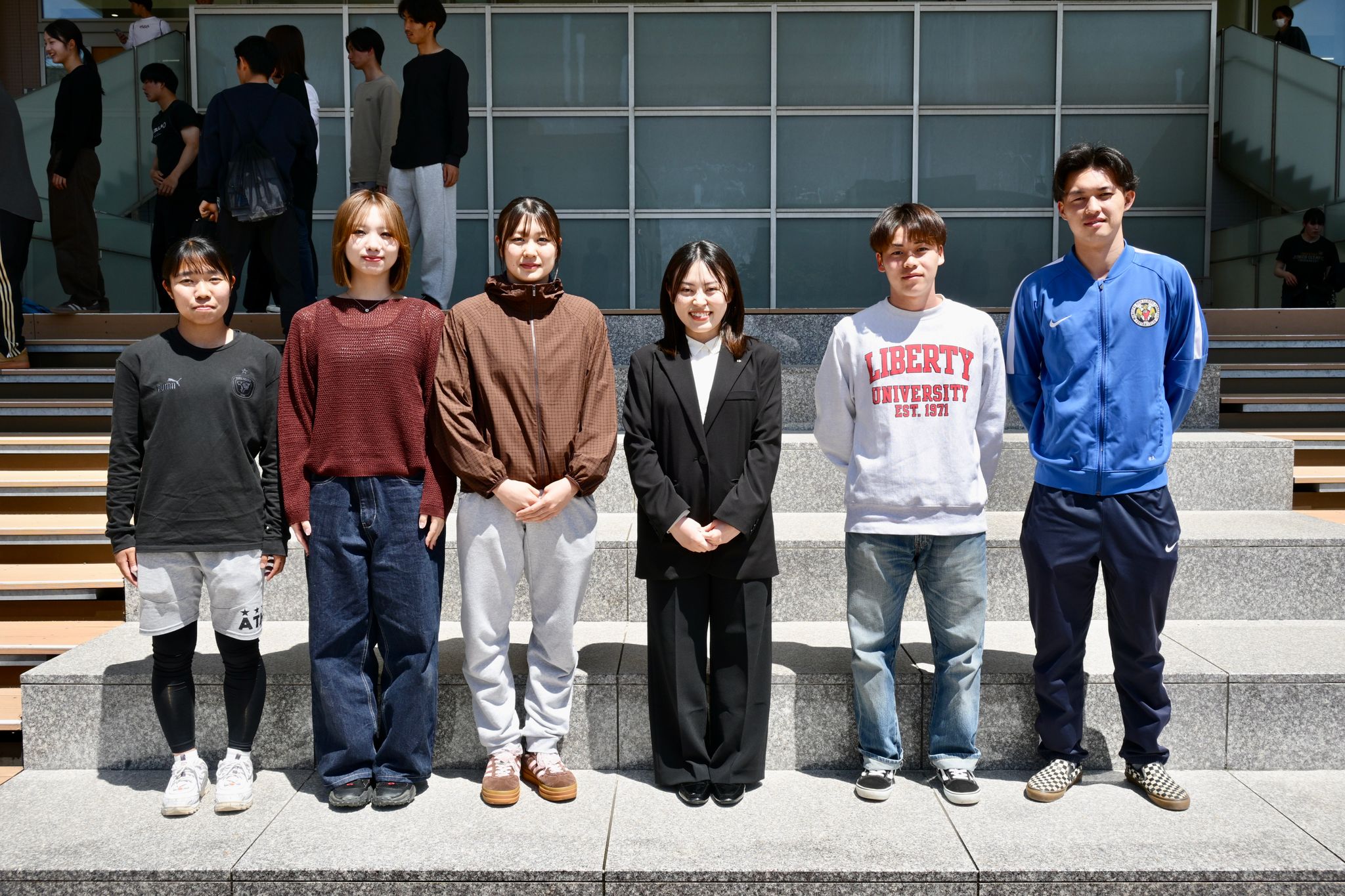
WHAT IS THE SPORTS PHYSIOLOGY LABORATORY?
Our laboratory studies the physiological mechanisms that enable us to achieve high levels of performance and functioning. Understanding how the brain, muscles, respiratory and circulatory systems, and cardiovascular system adapt to training, stress, and environmental stimuli is essential. We combine tools for measuring neural activity—electroencephalography, transcranial magnetic stimulation, and functional near-infrared spectroscopy—with approaches to studying learning, sensation, and cognition in environments including heat, cold, hypoxia, and the metaverse. Our work spans laboratory research and practical applications, with the aim of bringing its benefits to society.
INTRODUCTION
Koya Yamashiro Laboratory
1. Chronic Pain in Athletes
Athletes train every day, and those competing at the highest levels face more opportunities for injury and must learn to manage injuries effectively. Some athletes continue to experience pain even after a physician has confirmed that their injury has healed. We use electroencephalography and functional magnetic resonance imaging to detect chronic pain in athletes at an early stage and investigate ways to address it.
2. Human Response Inhibition
As C. Lloyd Morgan wrote in 1891, “When physiologists have solved the problem of inhibition, they will be in a position to consider that of volition.” Research on response inhibition addresses a fundamental question about human behavior. Have you ever wondered why some people quickly raise their voices or struggle to restrain their actions? We use functional magnetic resonance imaging and electroencephalography to examine the neural activity underlying response inhibition, identify differences between individuals with stronger and weaker inhibitory control, and develop training and interventions to improve it.
3. Neurophysiology of Expert Skill Acquisition
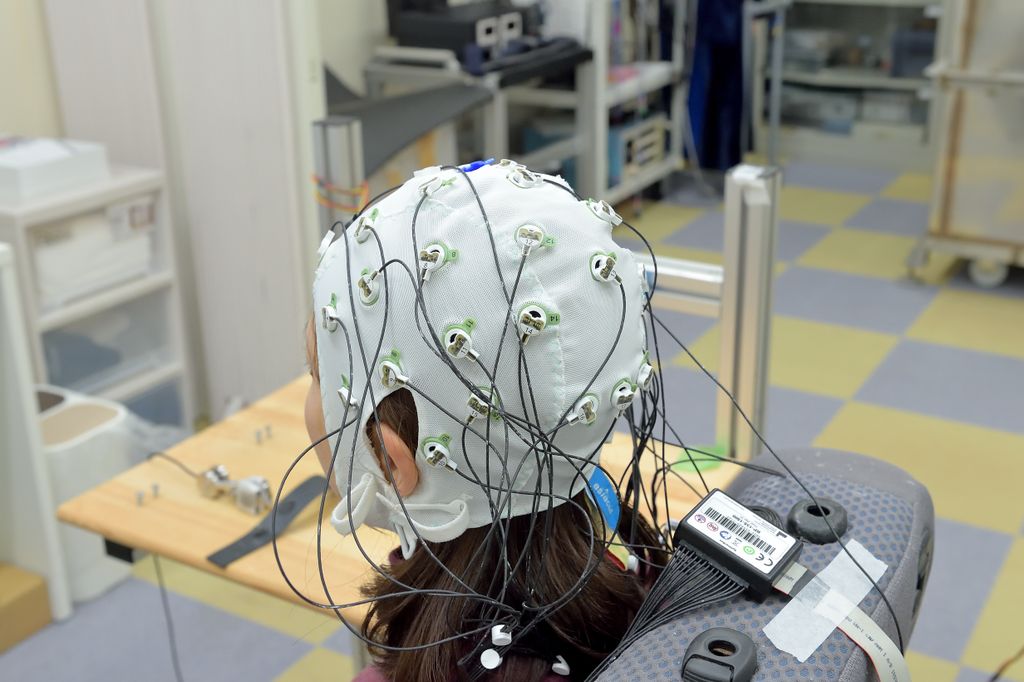
High performance requires balanced development of mental, technical, and physical abilities. Skills are acquired through extensive practice, whether by athletes pursuing peak performance, professionals learning new skills, or people undergoing rehabilitation after illness or injury. However, the benefits of practice differ both between individuals and within the same person over time. Using transcranial magnetic stimulation, transcranial electrical stimulation, functional magnetic resonance imaging, magnetic resonance spectroscopy, and electroencephalography, we investigate the neurophysiological basis of these differences and ways to facilitate skill learning. Our goal is to develop skill training that leaves no one behind.
Tomomi Fujimoto Laboratory
1. Physiological Responses Supporting Performance in Different Environments
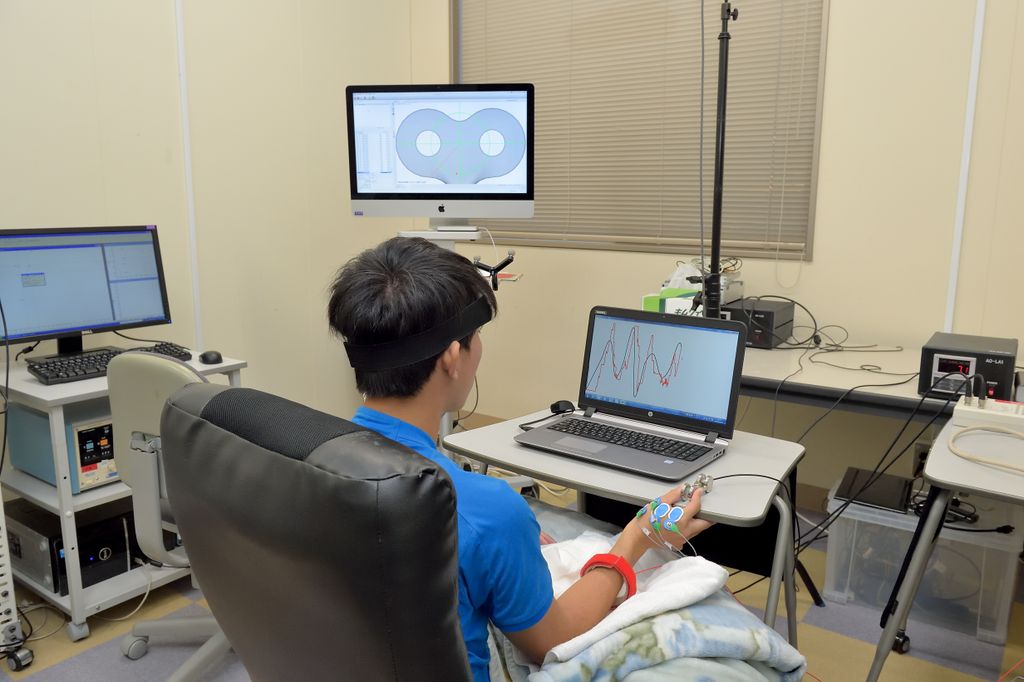
Daily life and sport do not always take place in comfortable conditions; they involve environments such as heat, cold, hypoxia, and water. Understanding how the human body responds to environmental change is key to performing well in these conditions. We investigate physiological responses during exercise in these environments and use our findings to develop strategies for safer daily living and better exercise performance.
2. Thermal Sensation and Thermoregulation
Human body temperature is maintained within a narrow range by precise thermoregulatory mechanisms. Excessive increases or decreases can lead to heat illness or hypothermia and substantially impair physical and cognitive function. We investigate how people sense temperature and regulate body temperature. We also explore approaches to improving physical and cognitive function by deliberately altering thermal sensation with substances such as menthol and capsaicin.
3. Improving Performance through Female Biological Rhythms
It has been reported that 50–90% of women experience mental or physical symptoms before or during menstruation. Amenorrhea and irregular menstrual cycles can also interfere with daily life. We investigate ways to improve performance by recording daily changes in condition, identifying individual biological rhythms, and examining the associated fluctuations in physical and mental function and neural activity. We have begun collaborative research with TOPPAN Inc. and are working to bring our findings into practical use so that they can benefit more women.
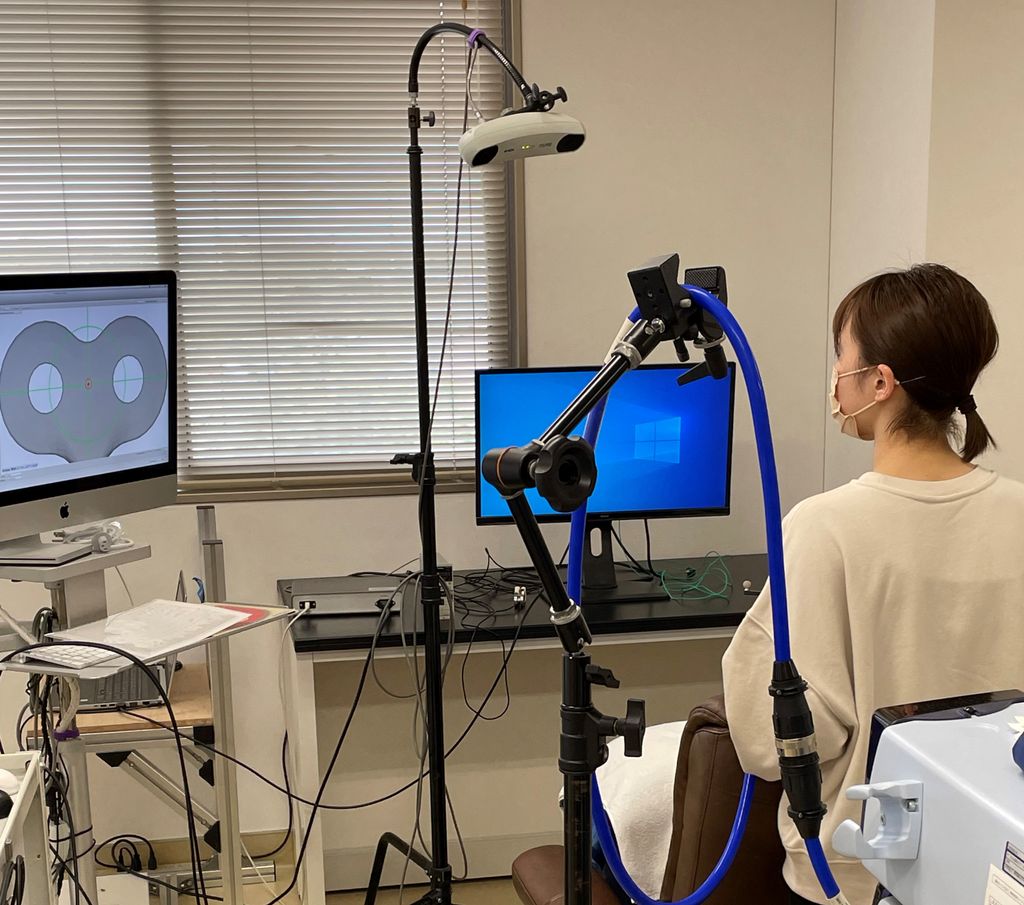
4. Sensation and the Quality of Subjective Experience (Qualia)
What do people feel and think when performing or watching movements in exercise and sport? How do they experience what they touch and see in their surroundings? We study the quality of subjective experience, known as qualia, by describing its structure and making it visible. This approach aims to reveal individual differences in subjective experience and improve our understanding of others. We explore how these findings can inform environments that more people find comfortable and coaching approaches that address differences in what individuals can do.
Genta Ochi Laboratory
1. Understanding “Brain Fog”: Cognitive Fatigue and the Brain
Have you ever felt unable to concentrate or noticed slower decision-making after intense training or studying for an examination? This may reflect cognitive fatigue in the brain rather than muscular fatigue. We use functional near-infrared spectroscopy and magnetic resonance imaging and spectroscopy to examine how exercise and environmental conditions affect the brain.
▶ Training the brain through VR exercise: investigating whether interval exercise in virtual reality improves executive function.
▶ Reading brain fatigue from facial expressions: developing methods to predict brain fatigue from changes such as mouth opening during exercise, before people become aware of it.
▶ Does altitude affect thinking? Examining how exercise in low-oxygen environments affects cognitive function.
▶ Performance can decline before fatigue is noticed: making unrecognized cognitive fatigue visible.
These findings may support athletic performance and help address reduced concentration in students and working adults. We investigate the neural basis of mental vitality and develop practical applications for society.
Related funding: Grant-in-Aid for Scientific Research (B), FY2026–2029; Grants-in-Aid for Early-Career Scientists, FY2019–2021 and FY2022–2024; Meiji Yasuda Life Foundation of Health and Welfare research grant, FY2024–2025; Casio Science Promotion Foundation research grant, FY2025; and others.

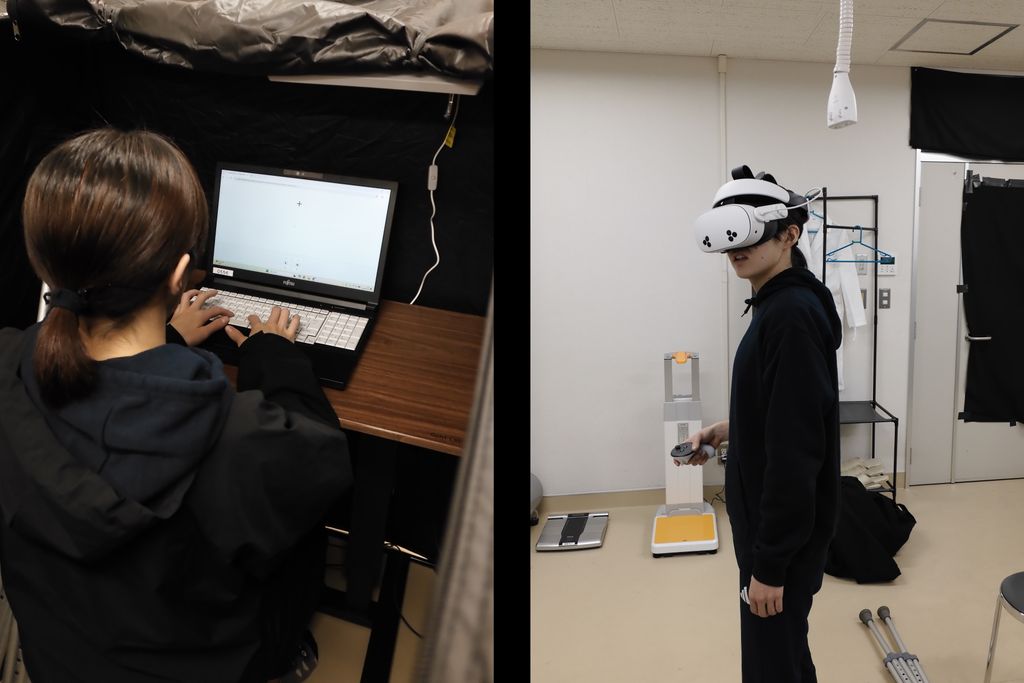
2. Quantifying Readiness: Condition Assessment and Performance
Could turning feelings such as “I feel ready today” or “Something feels off” into objective measurements improve training and competition? We develop methods to assess conditioning for performance.
▶ Measuring stress through hair: quantifying stress over the preceding months from cortisol accumulated in hair.
▶ Assessing mental well-being through heartbeat fluctuations: investigating waking heart rate variability as an early indicator of mental health changes.
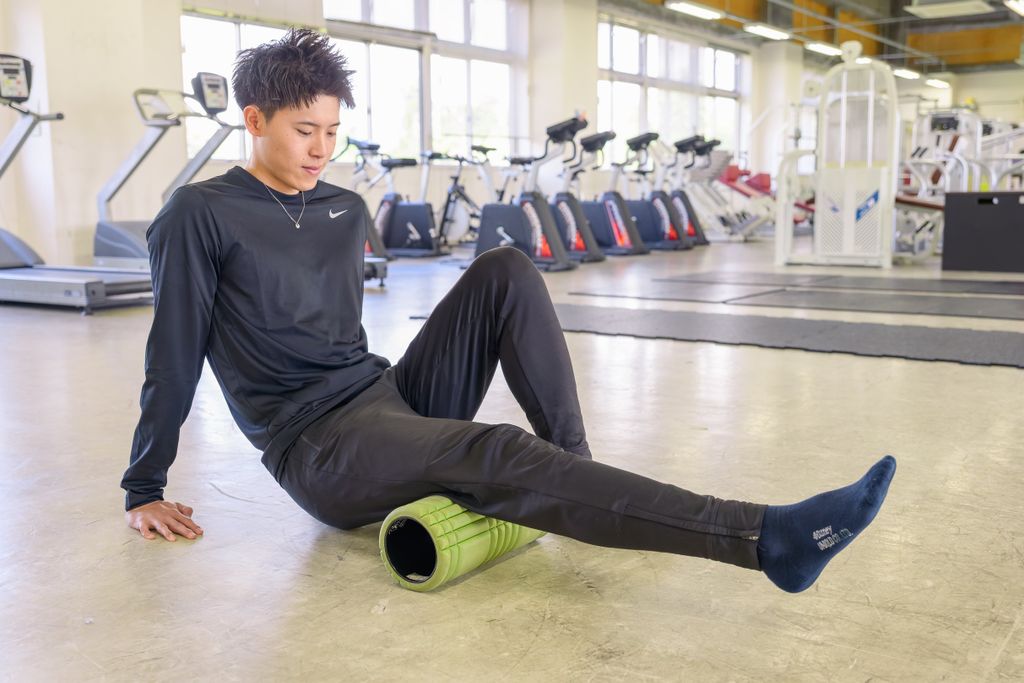
▶ Testing recovery methods: examining whether foam rolling helps reduce fatigue.
▶ Research with elite athletes: collaborating with athletes from Japan’s national judo and wheel gymnastics teams and the Niigata Albirex BB Rabbits women’s professional basketball team.
By translating physical and mental condition into measurements, we aim to help people understand their own state and choose when to train and recover.
Related funding: Grant-in-Aid for Challenging Research (Pioneering), FY2025–2028; JKA research grant, FY2024; Ishimoto Memorial Descente Sports Science Foundation research grant, FY2018; and others.

Yudai Yamazaki Laboratory
Enhancing the Brain’s Potential through Exercise
The brain has the ability to change in response to experience and learning, a property known as plasticity. This ability allows us to learn new things and acquire skills we did not previously have. My research focuses on brain plasticity and asks how far exercise can unlock this potential. I study brain functions that directly support daily life and sport, including cognition, memory, and the sensorimotor functions needed for skillful movement.
Even seemingly simple activities such as walking, running, and cycling involve close coordination between the brain and body and complex physiological and neural responses. Using neurophysiological methods and brain function measurements, I investigate the mechanisms through which exercise-induced changes affect the brain.
By understanding both the improvements in brain function brought about by exercise and their underlying mechanisms, I aim to contribute to more effective training and health promotion.

Yumi Okamoto Laboratory
As global warming intensifies, heat-related illness is expected to become an increasingly serious problem. Our laboratory investigates differences between and within individuals in thermoregulatory responses essential for preventing heat illness, such as sweating and skin vasodilation. These include sex differences and changes across the menstrual cycle. By examining how exercise training can improve these responses, we aim to develop individualized approaches to preventing heat illness.
Our work includes both fundamental laboratory research and studies in real sporting and occupational settings. Please contact us if you are interested in our research.